How to Test for Mold and Environmental Toxins in Your Home.
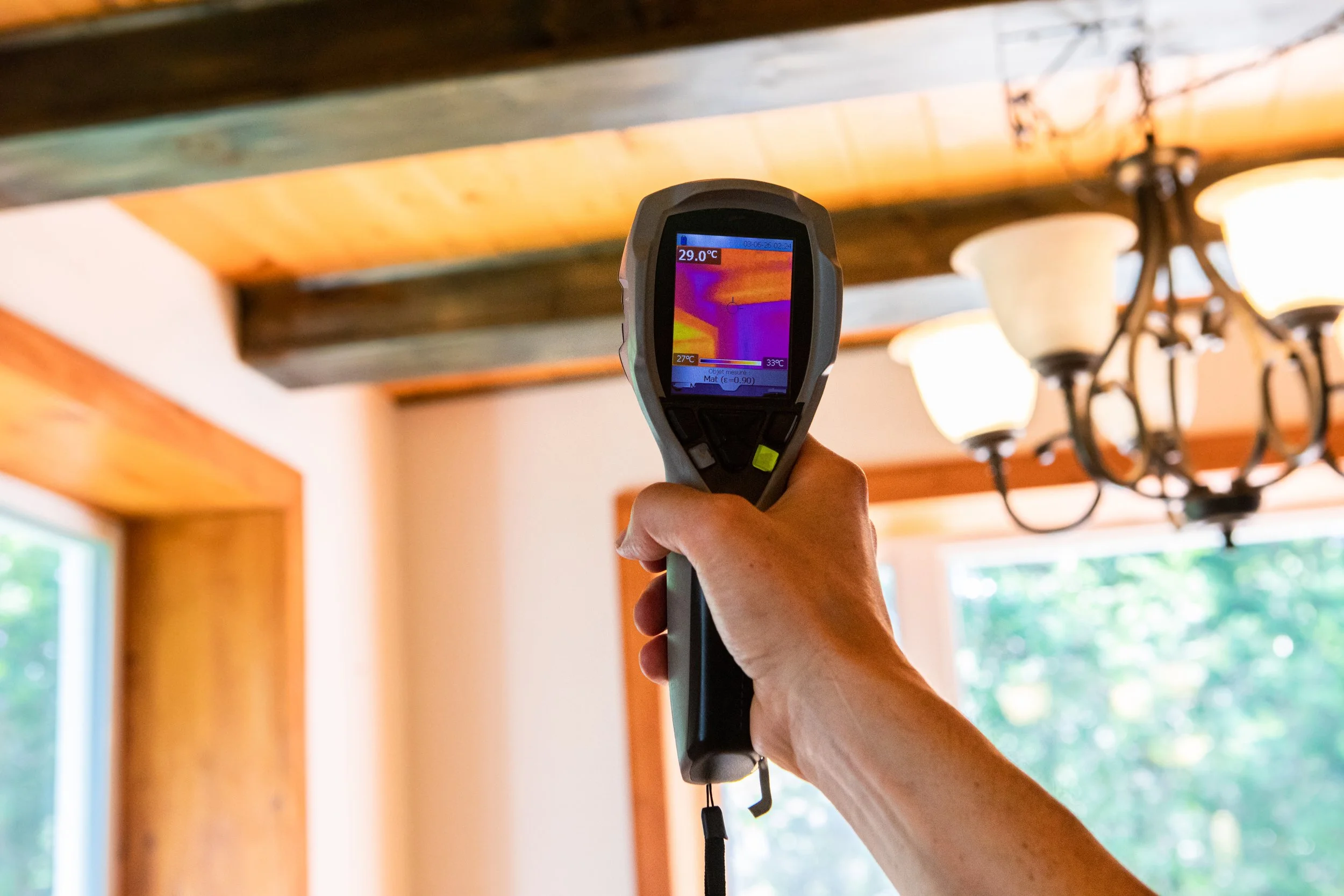
Thermal Imaging Camera Looking for Areas Affected by Moisture Due to Temperature Change.
Introduction: The Importance of Visual Inspection Paired with Testing
When assessing mold and environmental toxins in a home, the best first step is always a thorough visual inspection. I start by coaching most clients to complete a personal visual inspection with a few helpful tools before bringing in a certified Indoor Environmental Professional. Mold often grows in hidden areas, such as behind walls, under flooring, and in attics or crawl spaces, so the presence of visual indicators—like water damage, discoloration, or musty odors—should be paired with sampling and testing.
A multi-faceted testing approach is optimal to ensure a comprehensive assessment. Relying solely on industry-standard air sampling may not always yield a complete picture, especially if mold growth is hidden or localized. Additionally, air sampling must be conducted with specific protocols (such as using disturbance techniques) to ensure the collection of accurate data. There are currently no state or federal standards for mold sampling and inspection.
This guide outlines several types of mold testing and environmental hazard assessments, including air and surface sampling, as well as testing for other potential contaminants like asbestos, radon, lead, and bacterial agents (e.g., Actinomycetes).
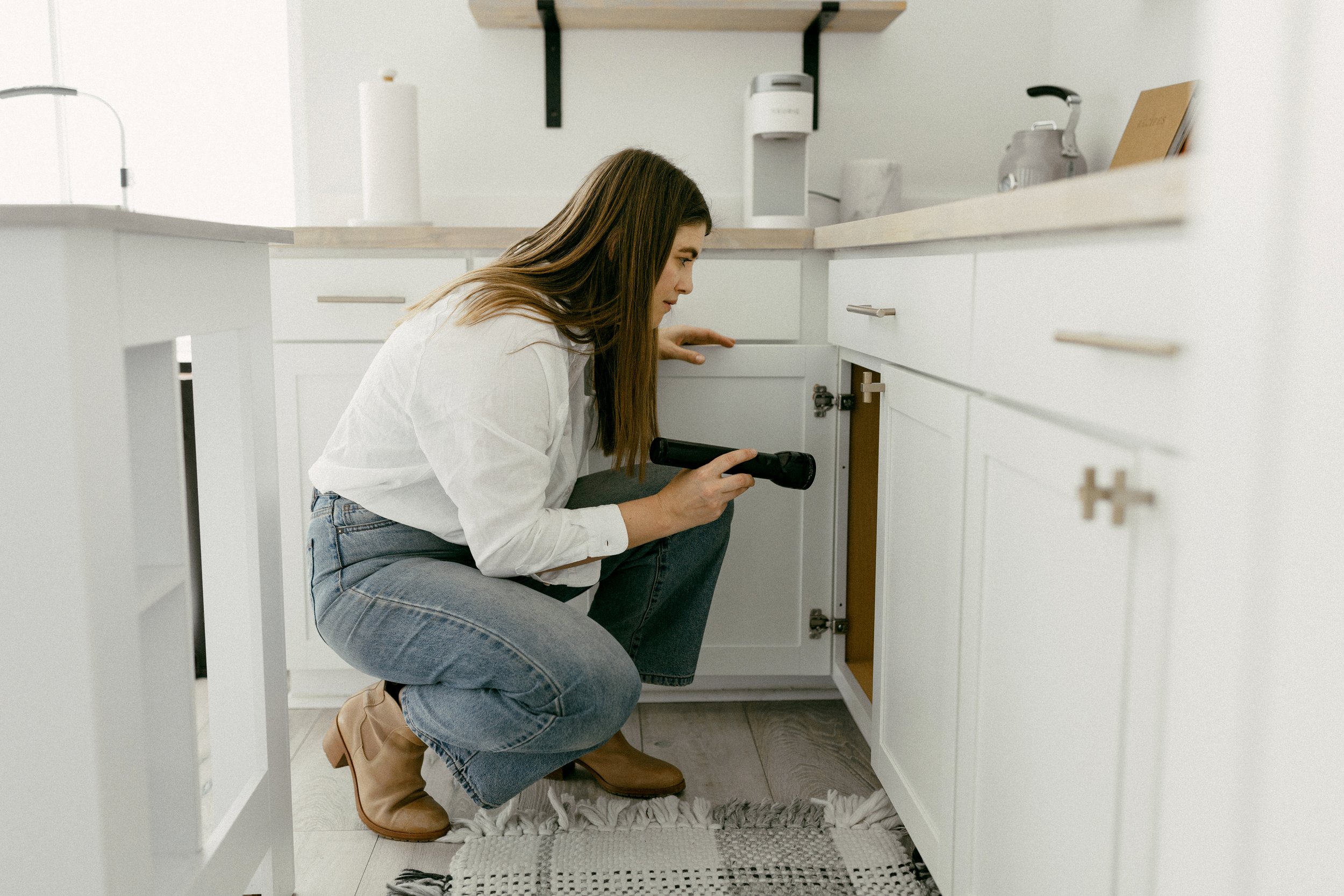
Visual Inspection is the First Line of Defence
1. Mold Testing in the Home
a. Visual Inspection: The First Line of Defense
A visual inspection should be the starting point of any mold investigation. This allows the practitioner to identify potential problem areas such as:
Water damage: Look for signs of water leaks, discoloration, or peeling paint.
Musty odors: Mold often produces a distinct, musty smell.
Visible mold growth: Search behind walls, under carpets, in basements, and in attics.
Condensation: Areas prone to condensation, like windows, bathrooms, and kitchens, can often harbor mold growth.
While visual inspection is crucial, it should always be paired with sampling and testing to confirm the presence of mold and evaluate its type and concentration.
b. Air Sampling
Air sampling is commonly used to assess the level of mold spores in the indoor environment. However, air sampling alone is often not sufficient for a complete mold assessment.
Disturbance Techniques in Air Sampling
For accurate results, disturbance techniques should be used during air sampling. This means disturbing potential mold reservoirs (e.g., shaking carpets, drapes, or furniture) to dislodge spores into the air. This process simulates real-world activities (like foot traffic or HVAC operation) that could spread mold spores throughout the home.
Method: A pump pulls air through a specialized filter that captures airborne mold spores.
Note: Ensure proper timing and conditions for air sampling, as mold spore concentrations can vary throughout the day depending on humidity, ventilation, and activities within the home.
Air Sampling Methods
Spore Trap Sampling: This method uses a pump to collect air and capture mold spores on a filter. It can identify types of mold present but may not capture viable (actively growing) spores.
Biological Sampling (PCR/ELISA): These methods identify the DNA of specific mold species and are particularly useful for identifying mycotoxins or hidden mold growth that may not be airborne but is still problematic.
Humidity-Adjusted Air Sampling: This method accounts for moisture content, which significantly impacts mold growth. Testing should be done in varying humidity conditions for a thorough analysis.
Interpretation:
Low Levels of Mold Spores: These may indicate localized or intermittent mold growth.
High Levels of Mold Spores: High concentrations of mold spores (especially from toxigenic strains like Stachybotrys or Chaetomium) may indicate more significant, widespread mold contamination.
c. Surface Sampling
Surface sampling is a critical part of mold testing, particularly when visual evidence suggests mold growth on walls, ceilings, or furniture. This type of testing provides more specific information about the type and concentration of mold present in direct contact with surfaces.
Swab Sampling: A cotton swab is used to sample visible mold on surfaces like walls, carpets, or ceiling tiles.
Tape Sampling: Clear adhesive tape is pressed onto suspected mold colonies and then examined under a microscope to identify the species of mold.
Bulk Sampling: Material such as drywall, carpet, or insulation is physically removed from the building and tested for mold content.
Dust sampling: Through methods like ERMI or The Dust Test, a qPcr sample is taken by the individual and submitted to a laboratory for review and a detailed report of over 30+ molds is included with species, and spore count.
Interpretation:
Positive Surface Samples: Presence of high mold spore concentrations on surfaces, especially from toxigenic molds like Aspergillus, Penicillium, or Stachybotrys, requires immediate remediation to prevent health risks.
Negative Surface Samples: These can indicate that visible mold growth is not the primary issue, but hidden mold growth may still be present.
d. Moisture Mapping
Moisture mapping is an important tool for identifying areas of potential mold growth that may not be immediately visible. Using specialized moisture meters, practitioners can detect hidden water sources in walls, floors, and ceilings. Thermal imaging cameras are also useful for identifying temperature variations that suggest moisture intrusion.
Tools:
Moisture Meters: Used to detect high moisture levels in materials such as wood, drywall, and insulation. This can be a low-cost investment for any homeowner.
Thermal Imaging: Detects temperature anomalies, often correlating with areas of water damage or mold growth. This should be included in nearly every home inspection but is not standard or “required” by any state regulation.
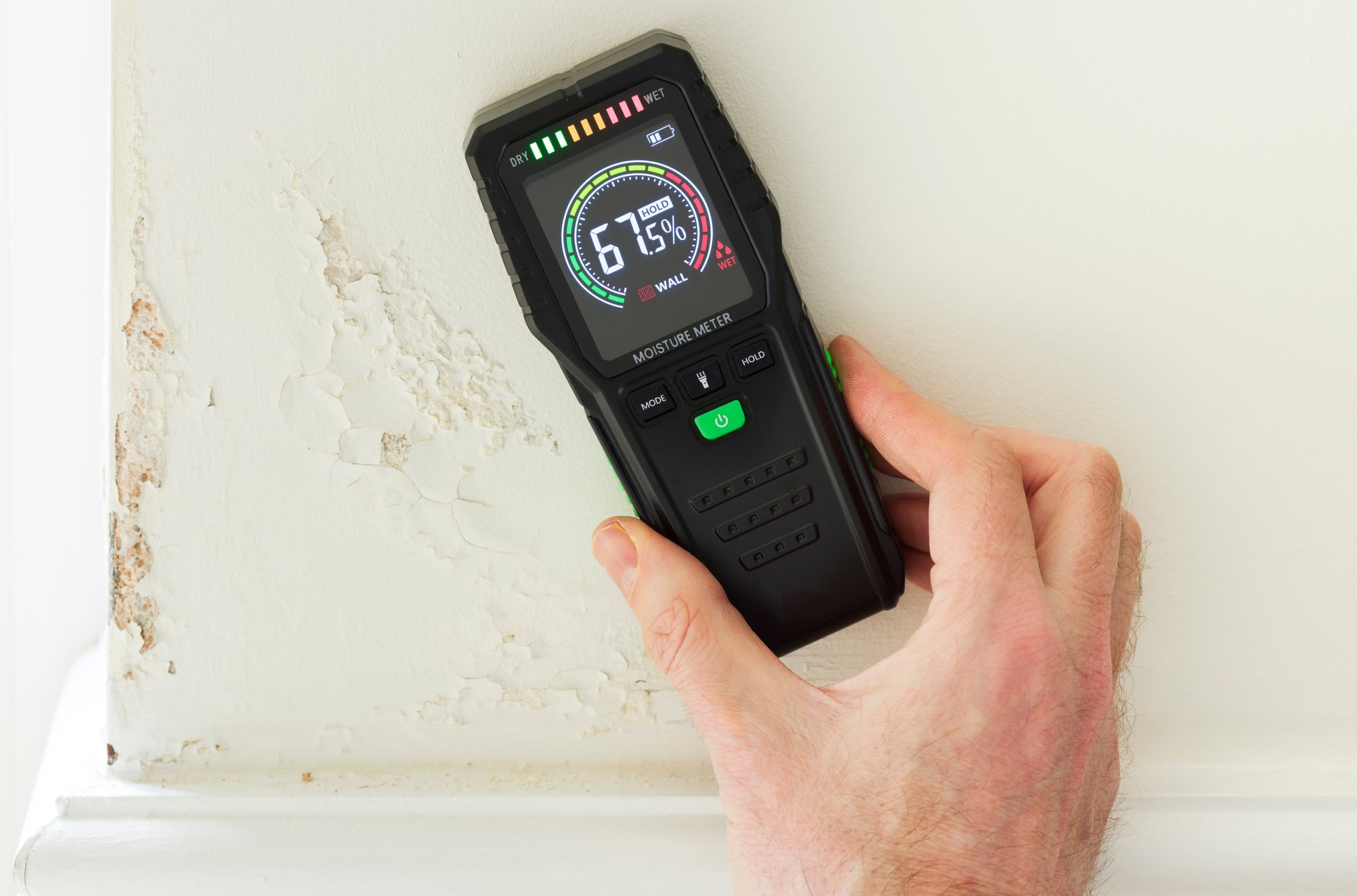
Moisture Meters Can Help Detect Moisture Within the Building
2. Testing for Other Environmental Hazards
In addition to mold, homes may also be contaminated with other environmental toxins that can impact health. Testing for asbestos, radon, lead, and bacterial agents like Actinomycetes is essential for ensuring a safe living environment.
a. Asbestos Testing
Asbestos is a known carcinogen that can be found in older homes, particularly in insulation, flooring, and roofing materials. Asbestos testing is typically done by collecting bulk samples from suspected materials (such as floor tiles, ceiling tiles, or pipe insulation) and sending them to a certified lab for analysis.
Sampling Methods:
Bulk Sampling: Collecting small amounts of suspected asbestos-containing materials.
Air Sampling: Conducting air sampling in areas where asbestos fibers may be disturbed.
Interpretation:
Positive Results: Asbestos fibers are detected, and remediation is necessary to minimize exposure risks.
b. Radon Testing
Radon is a naturally occurring radioactive gas that can seep into homes from the ground. Long-term exposure to radon is a known risk factor for lung cancer.
Sampling Methods:
Long-Term Testing: Uses charcoal canisters or alpha-track detectors to measure radon levels over extended periods (months).
Short-Term Testing: Uses devices like liquid scintillation counters to measure radon over a 48-hour period.
Interpretation:
Safe Levels: Radon levels of less than 4 pCi/L (picocuries per liter) are generally considered safe.
High Levels: Radon levels above 4 pCi/L require mitigation efforts such as installing radon remediation systems.
c. Lead Testing
Lead exposure, especially in homes built before 1978, is a significant health risk, particularly for children. Lead can be present in paint, dust, soil, and pipes.
Sampling Methods:
X-Ray Fluorescence (XRF): A non-invasive method to measure lead in paint and other surfaces.
Blood Lead Level Testing (for residents): Determines if individuals are experiencing lead exposure.
Dust and Soil Sampling: Samples can be analyzed for lead content, particularly in homes with peeling lead-based paint.
Interpretation:
Positive Results: High levels of lead may indicate a need for remediation, especially in homes with young children.
d. Actinomycetes Testing
Actinomycetes are a group of bacteria often found in damp environments and may contribute to chronic respiratory issues and sinus infections. They are commonly found in water-damaged buildings.
Sampling Methods:
Air Sampling: Conducted to identify airborne Actinomycetes spores.
Surface Sampling: Swabs or tape lifts can be used to collect samples from surfaces in areas with visible moisture damage.
Interpretation:
Positive Results: High concentrations of Actinomycetes indicate active bacterial contamination and may require remediation.
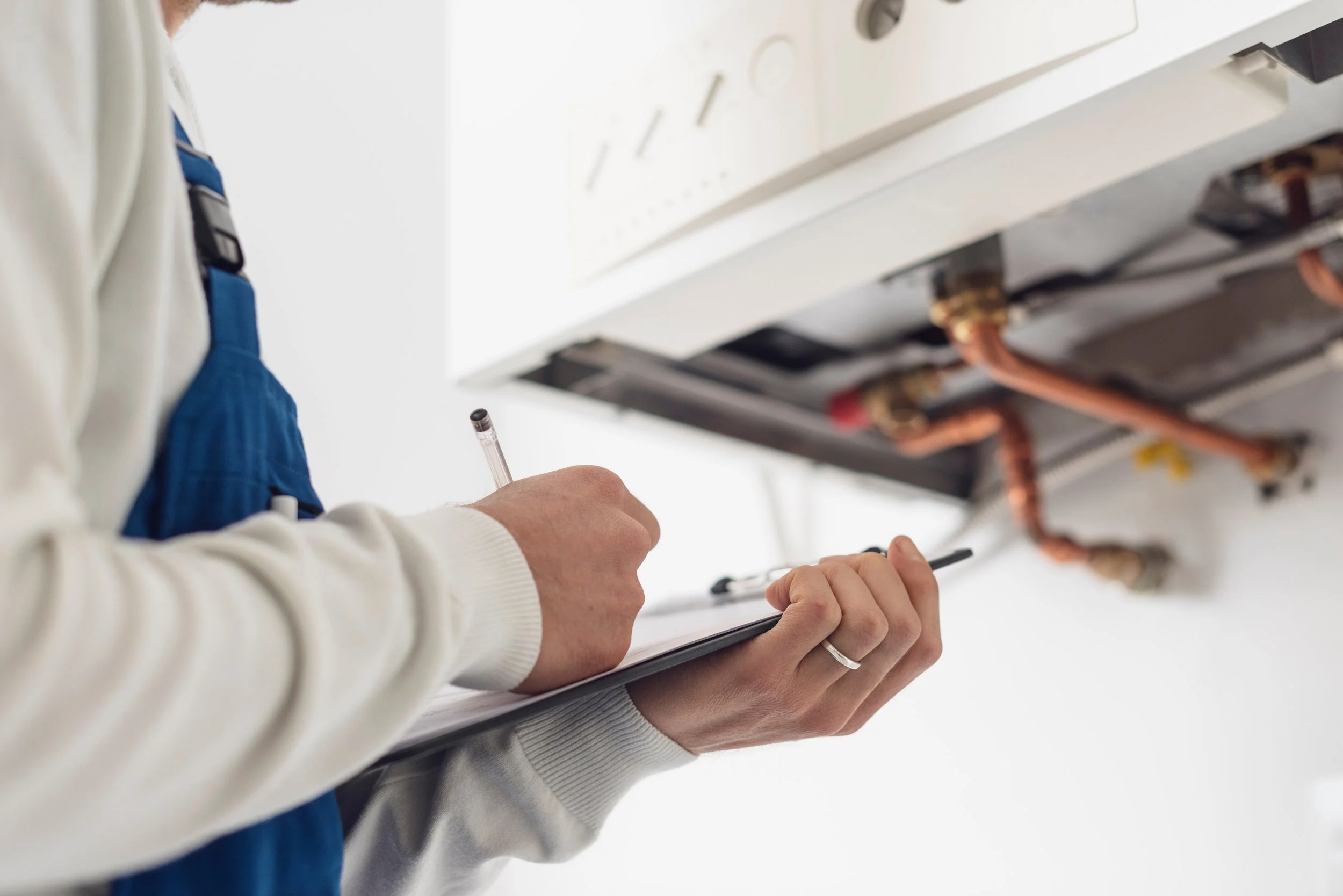
3. Best Practices for Environmental Testing
To ensure that mold and environmental testing is comprehensive and reliable, follow these best practices:
Conduct a thorough visual inspection first to identify potential areas of concern.
Use multiple types of testing, including air, surface, and moisture testing, to get a complete picture of the indoor environment.
Ensure proper air sampling techniques, such as disturbance protocols, to account for real-world mold dispersal.
Follow established standards for sampling and analysis to ensure accuracy and consistency.
Consult with a certified environmental testing professional for specialized hazards like asbestos, radon, and lead.
Conclusion
Identifying mold and other environmental hazards in the home requires a multi-pronged approach that combines visual inspection, proper sampling, and comprehensive analysis. By using various testing methods and ensuring proper protocols are followed, you can identify and address indoor environmental hazards effectively, protecting the health of the residents. The biggest consideration should be the training and certificates of the IEP or Mold Inspector as well as a detailed home health intake form completed before inspection. Each inspection should include a multi-faceted approach with varying levels of tools and sampling paired with the obvious visual inspection. A Scope or Work or Protocol document should always be produced by the inspector to hand off to any remediation professionals or contractors that are required.